
Why a photograph can't tell you if a snake is safe
Colour, pattern and even head shape vary more than most people expect.
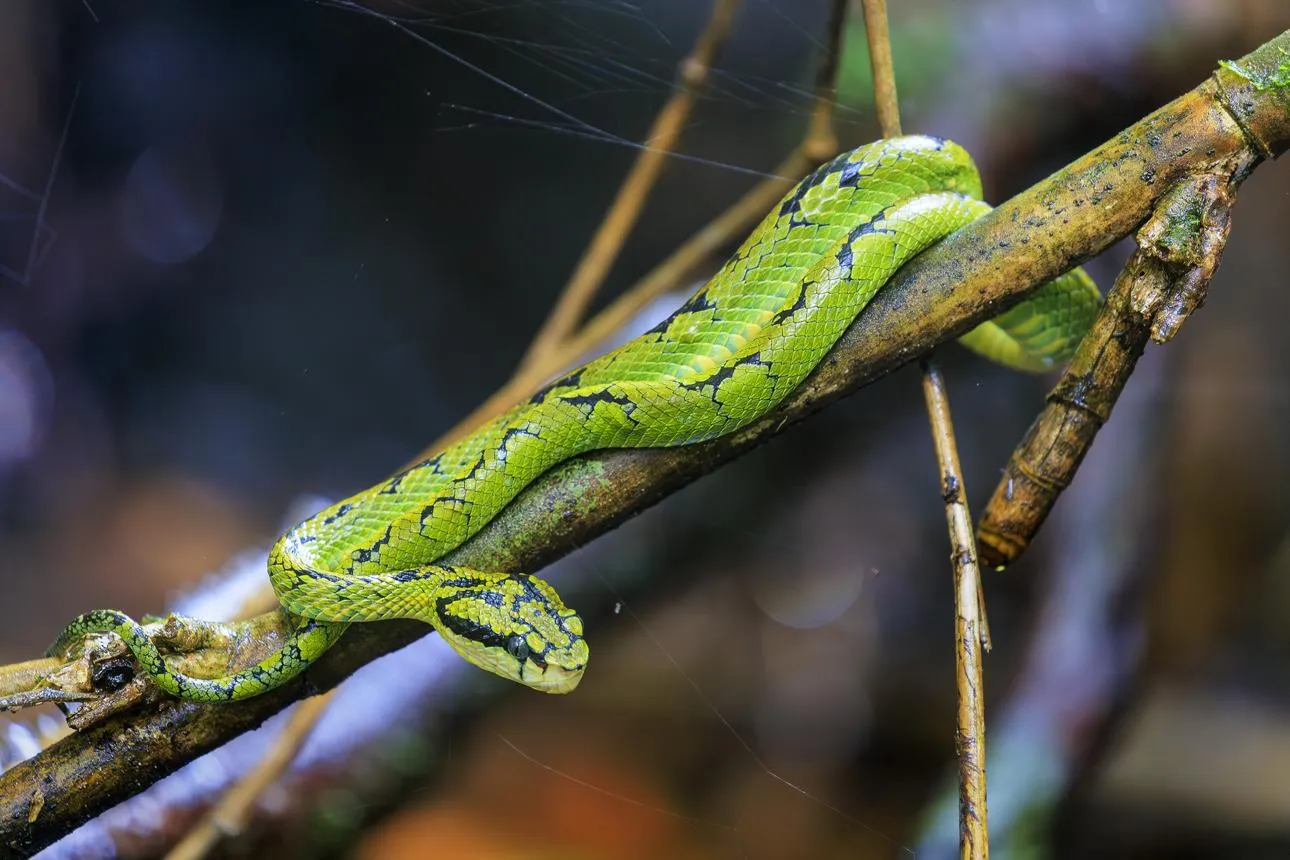
Snakes of one species can differ by age, sex, region, and the stage of their shedding cycle. Lighting, shadow, motion blur and camera angle change what a photograph shows. Harmless wolf snakes look like kraits; keelbacks and rat snakes can imitate a cobra's posture.
Expert identification services in Sri Lanka have documented how difficult reliable identification from photographs can be, even for specialists. The three hump-nosed viper species, for example, are routinely confused.
That's why the identification guide on this site offers possible matches to compare and learn from, never a verdict. After a bite, identification is not needed before treatment: hospitals treat based on symptoms and tests.
References
- Web-based snake identification service in Sri Lanka (Toxicon, 2021), Elsevier / ScienceDirect
- Common Snakes of Sri Lanka, Snake Identification Service of Sri Lanka
- Hump-nosed pit viper (Hypnale spp.) identification and comparison study, ResearchGate