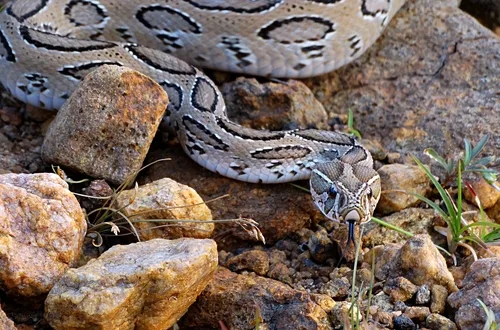
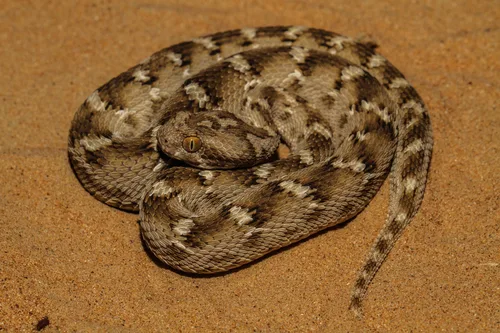
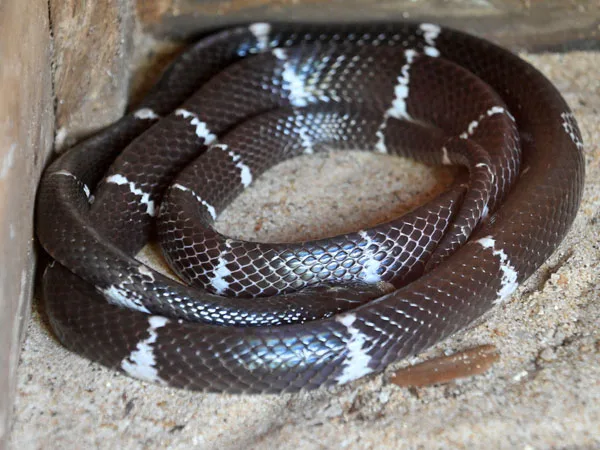
Every pattern hasa story.
Explore the remarkable diversity of Sri Lanka's snakes, their habitats, their behaviour, and their place in our natural world.
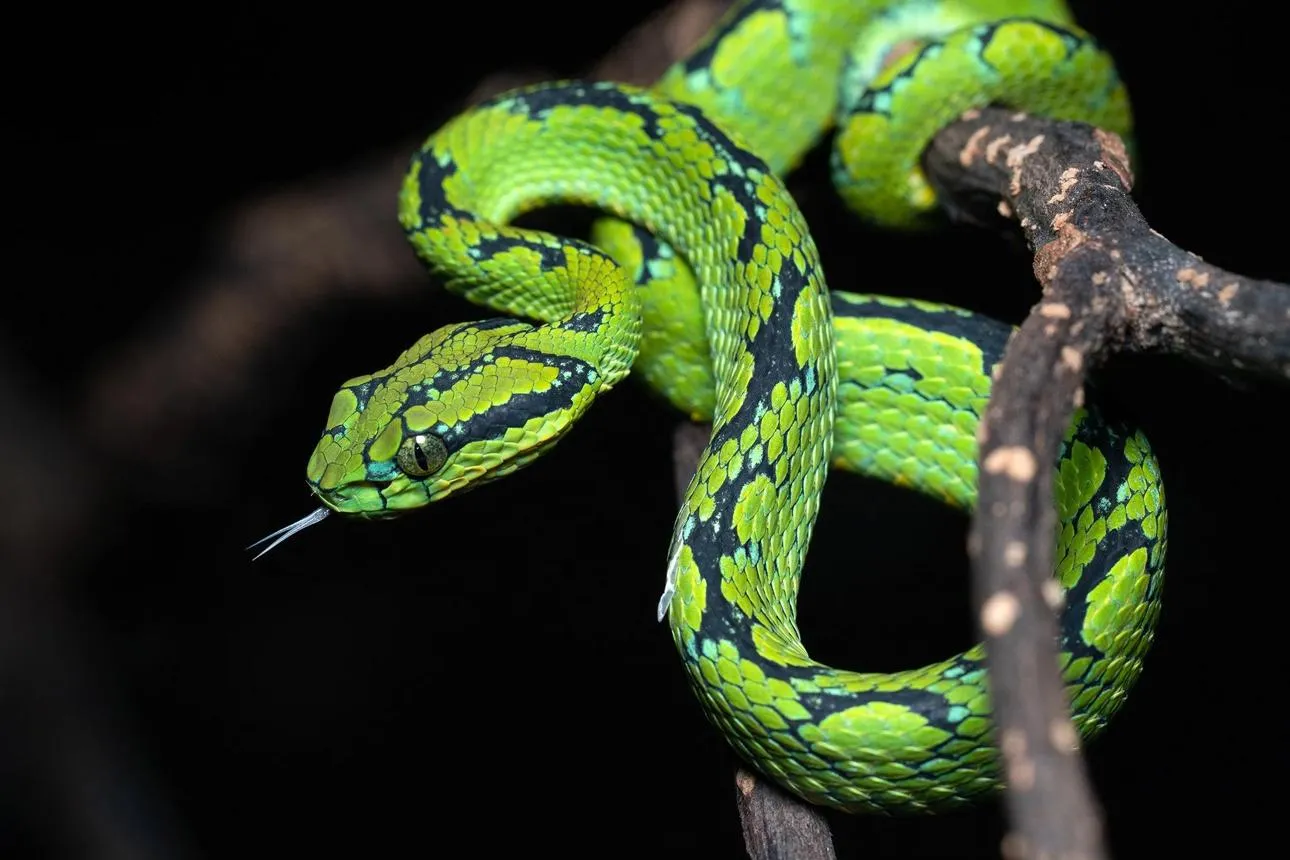
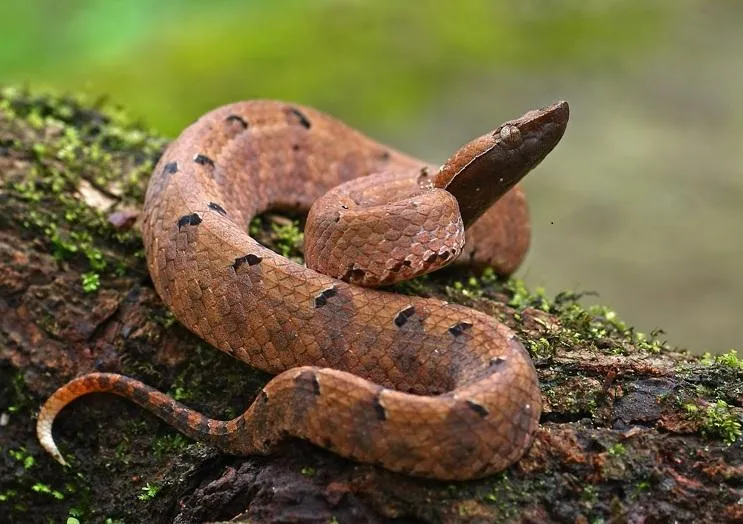
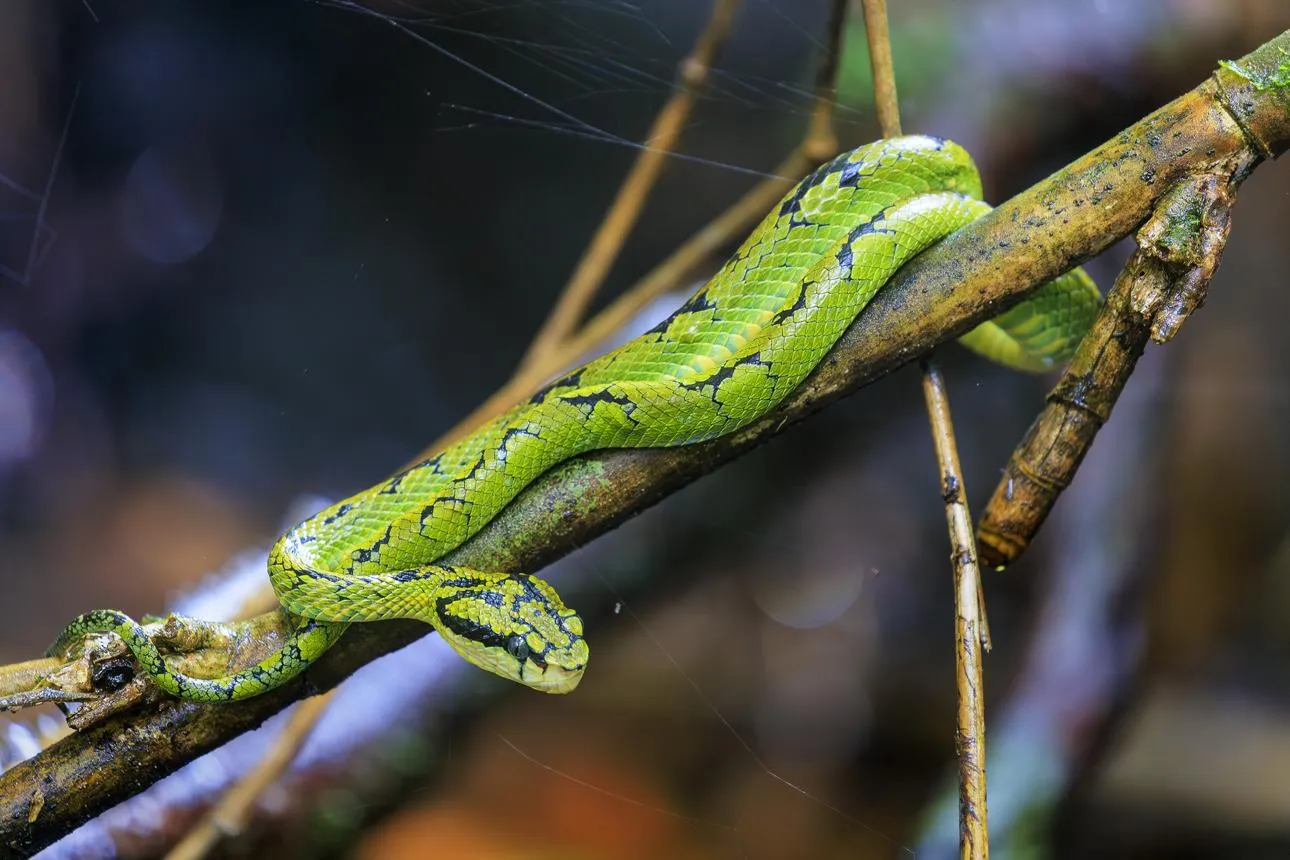
Sri Lankan green pit viper
Craspedocephalus trigonocephalus
- Family
- Viperidae
- Status
- Endemic to Sri Lanka
- Medical importance
- Venomous, moderate medical importance
A striking green viper found nowhere else on Earth, waiting motionless on branches in the island's forests and plantations.
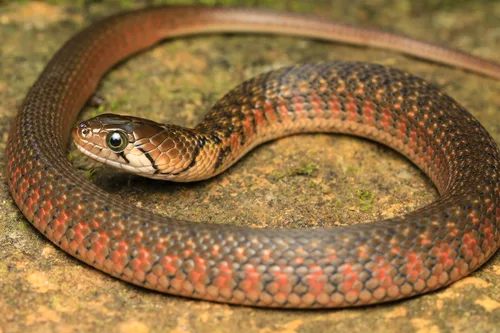
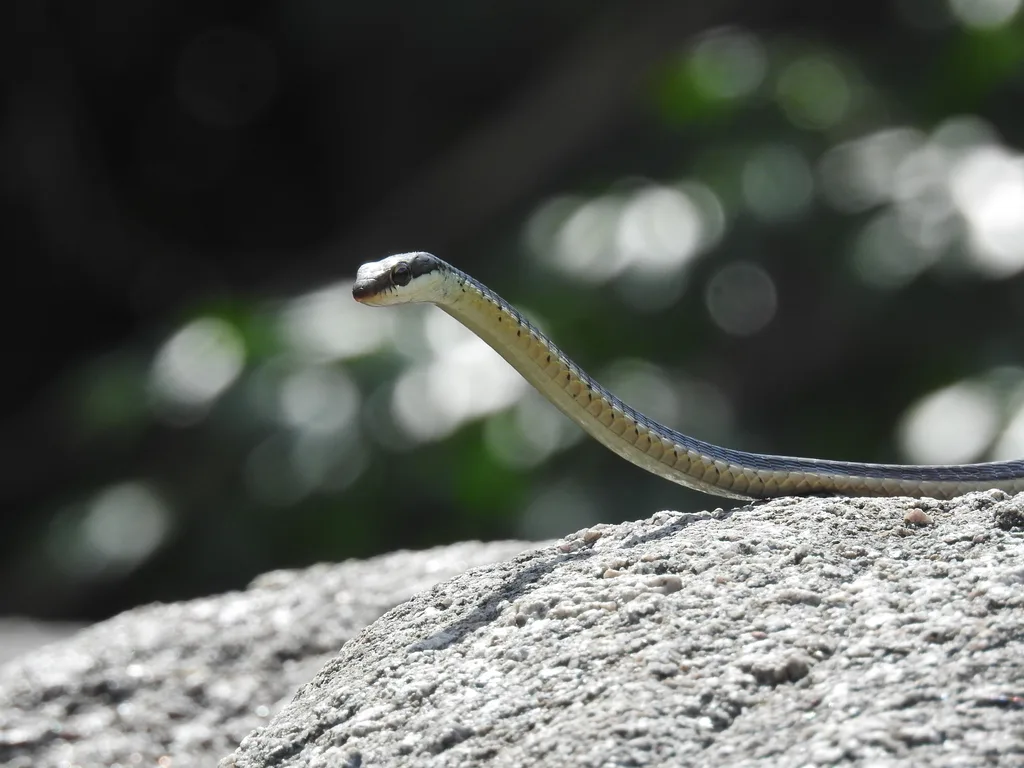
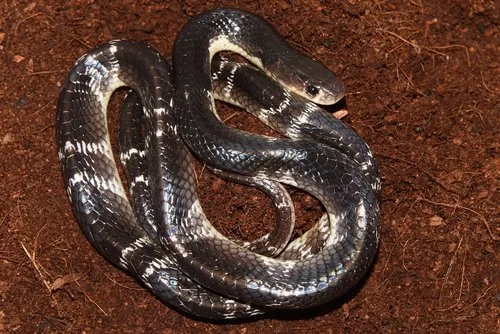
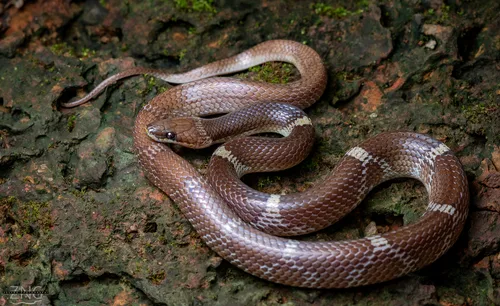
Meet the residents
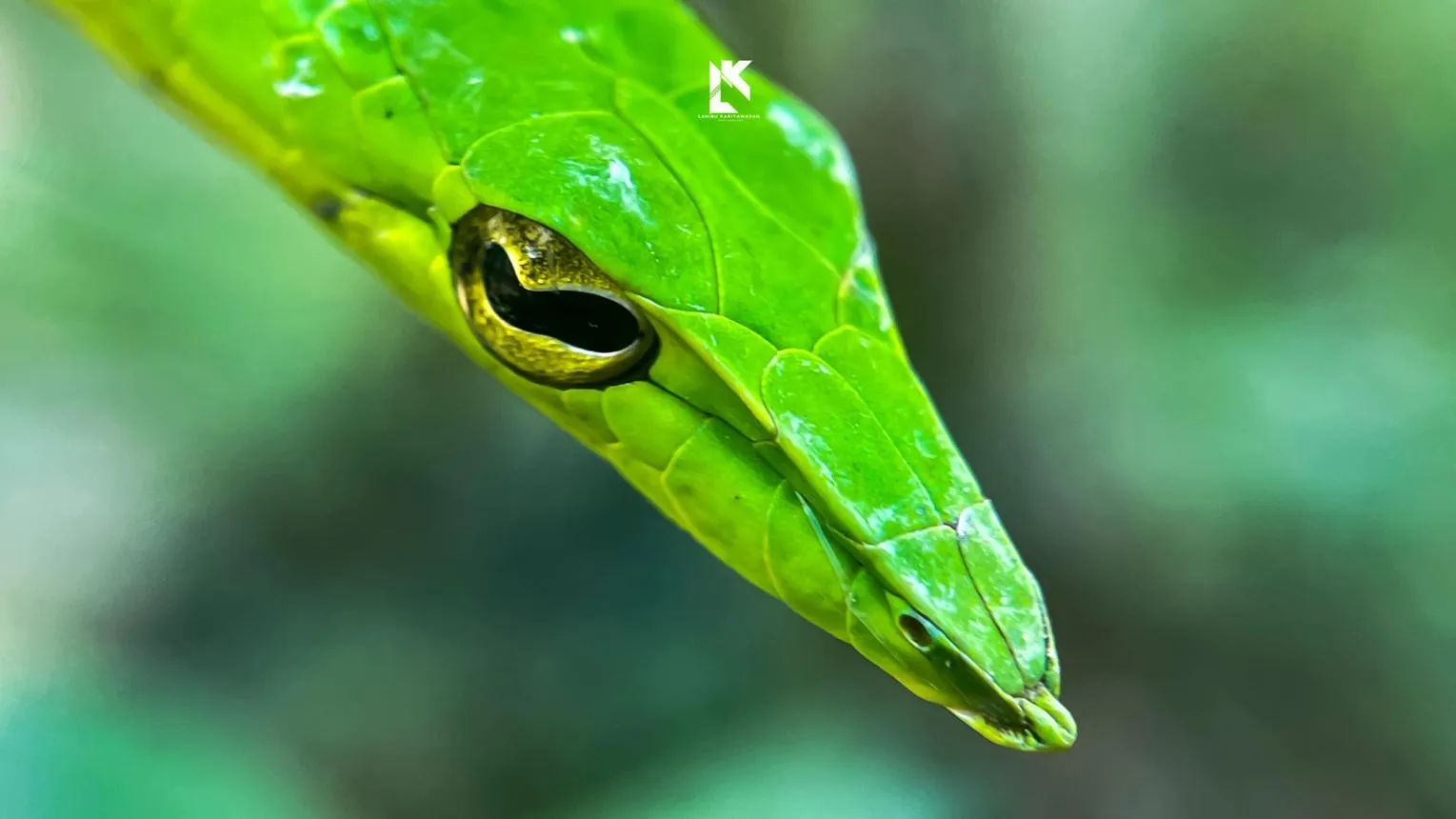
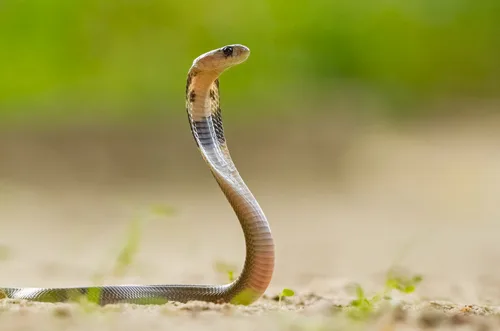
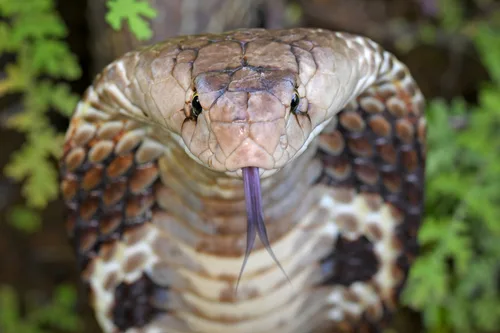
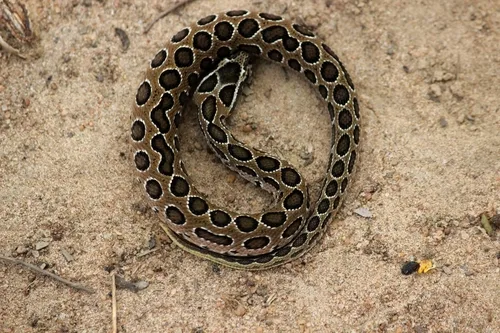
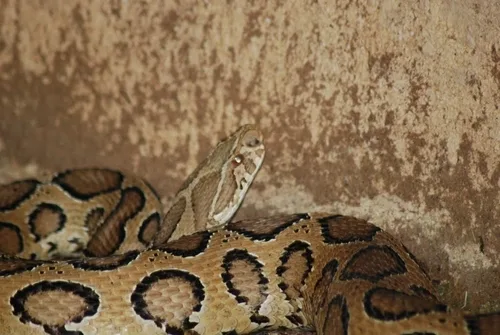
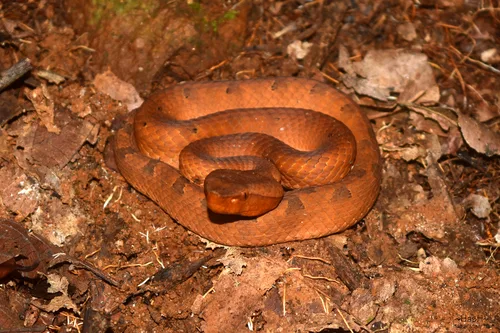
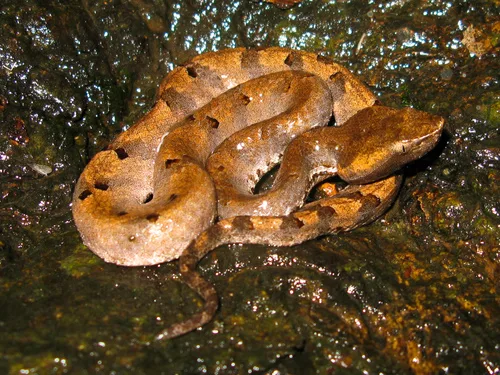
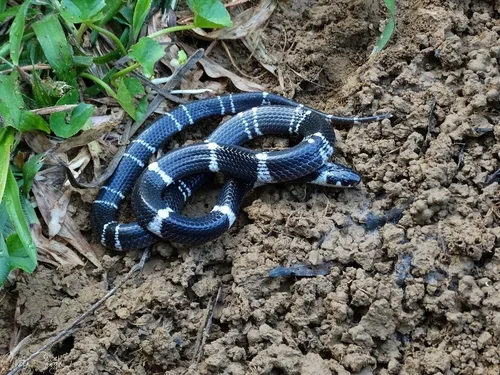
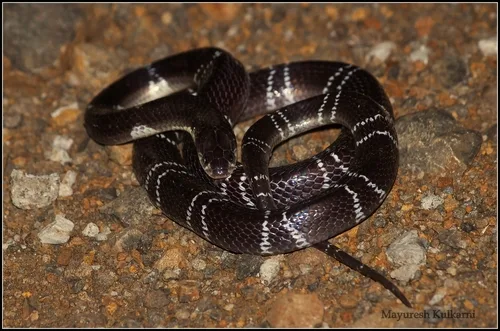
A first selection of common, endemic and medically important species. Each profile lists its sources.
Where they live
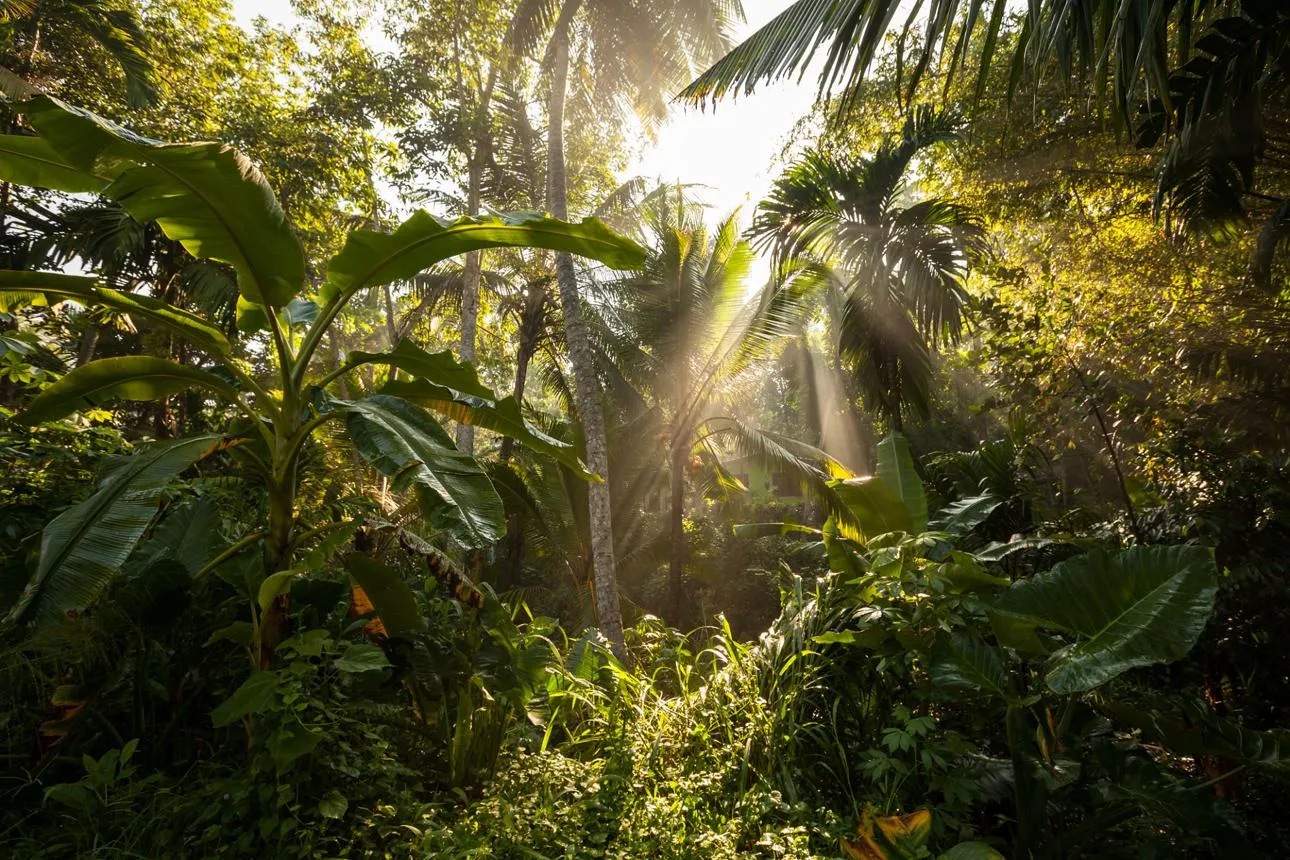
From Sinharaja's canopy to the sandy north-west, each habitat has its own set of snakes.
How a snake moves
No legs, four strategies. Choose one to watch it work.
The familiar S-shaped glide. Waves pass down the body and each curve pushes sideways against stones, stems or uneven ground, driving the snake forward. Most snakes use it, on land and in water.
Myth or fact?
Tap a card to see what the evidence says.
“The vine snake strikes at people's eyes.”
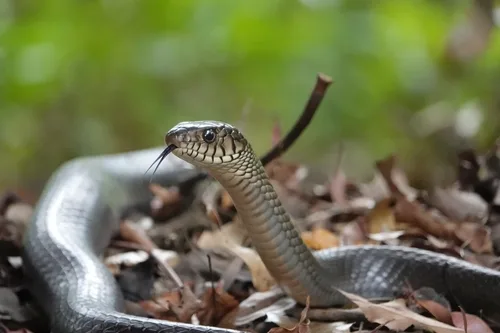
“Rat snakes are male cobras, or the two mate together.”
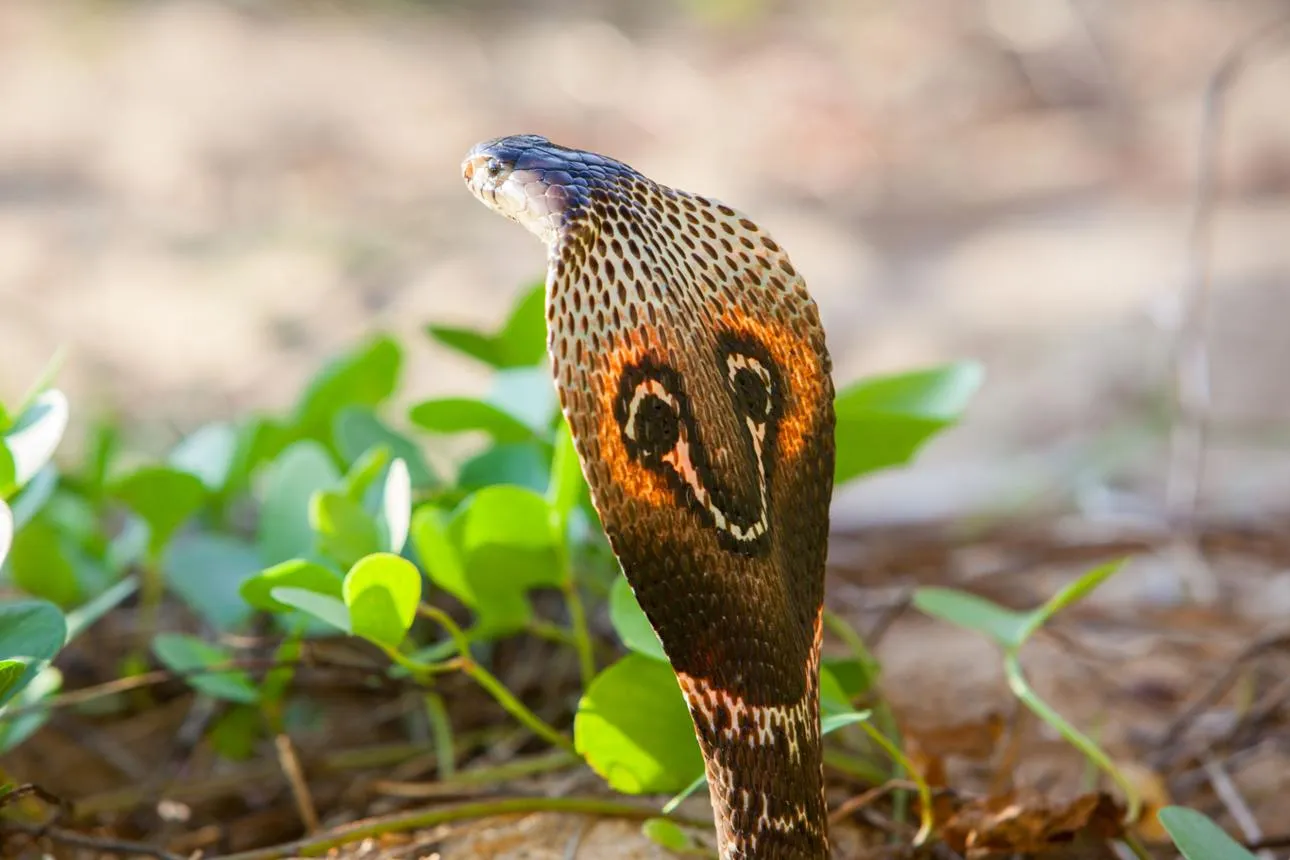
“Cobras dance to the snake charmer's music.”
From the knowledge corner
An island of endemic snakes
Sri Lanka is home to more than a hundred snake species, and a large share of them live nowhere else.
Read article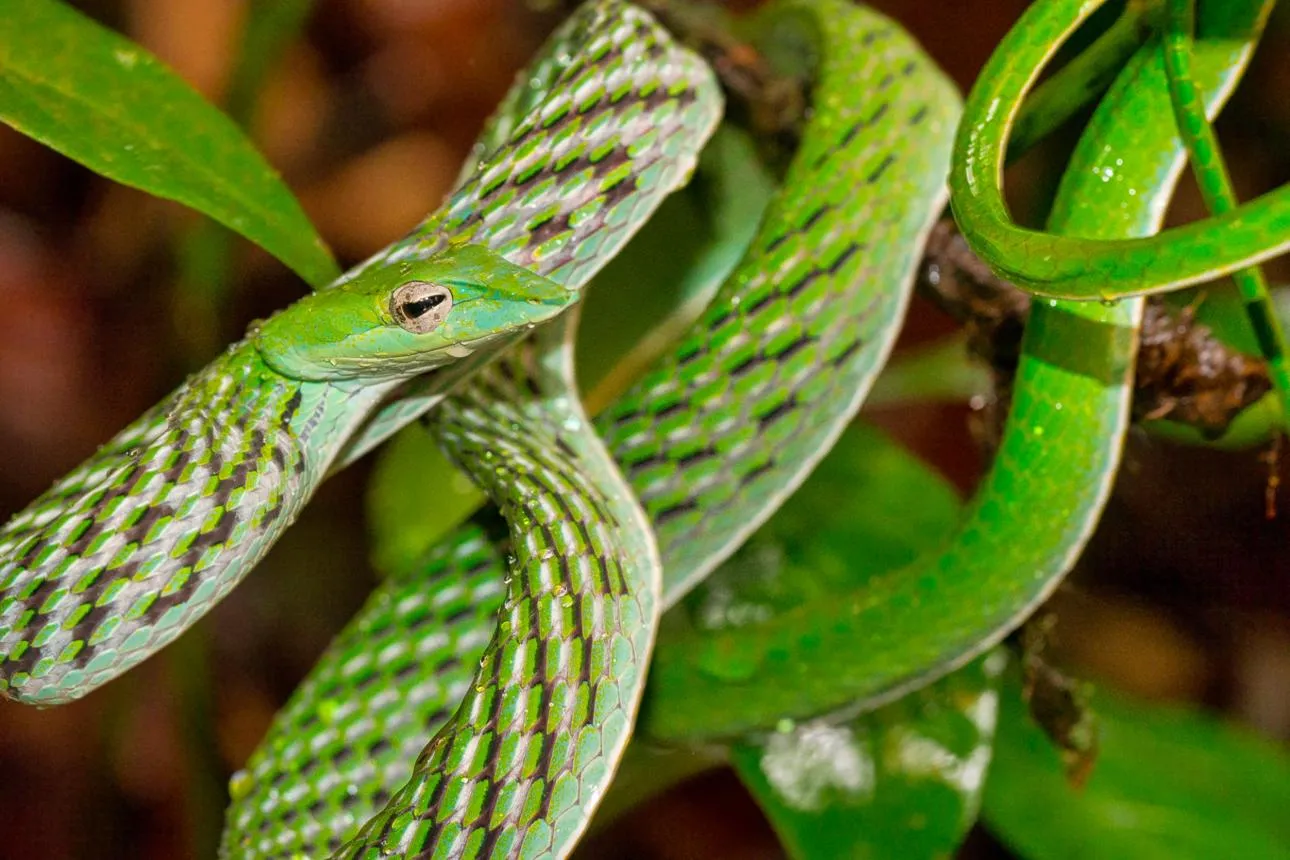
Wondering what you saw?
Compare a photograph with our guide. You'll get possible matches to learn from, never a verdict on whether a snake is safe.
Compare a photoGive every snake space
Most bites happen when people try to catch, kill or move a snake. Stay still, step back slowly and let it leave.
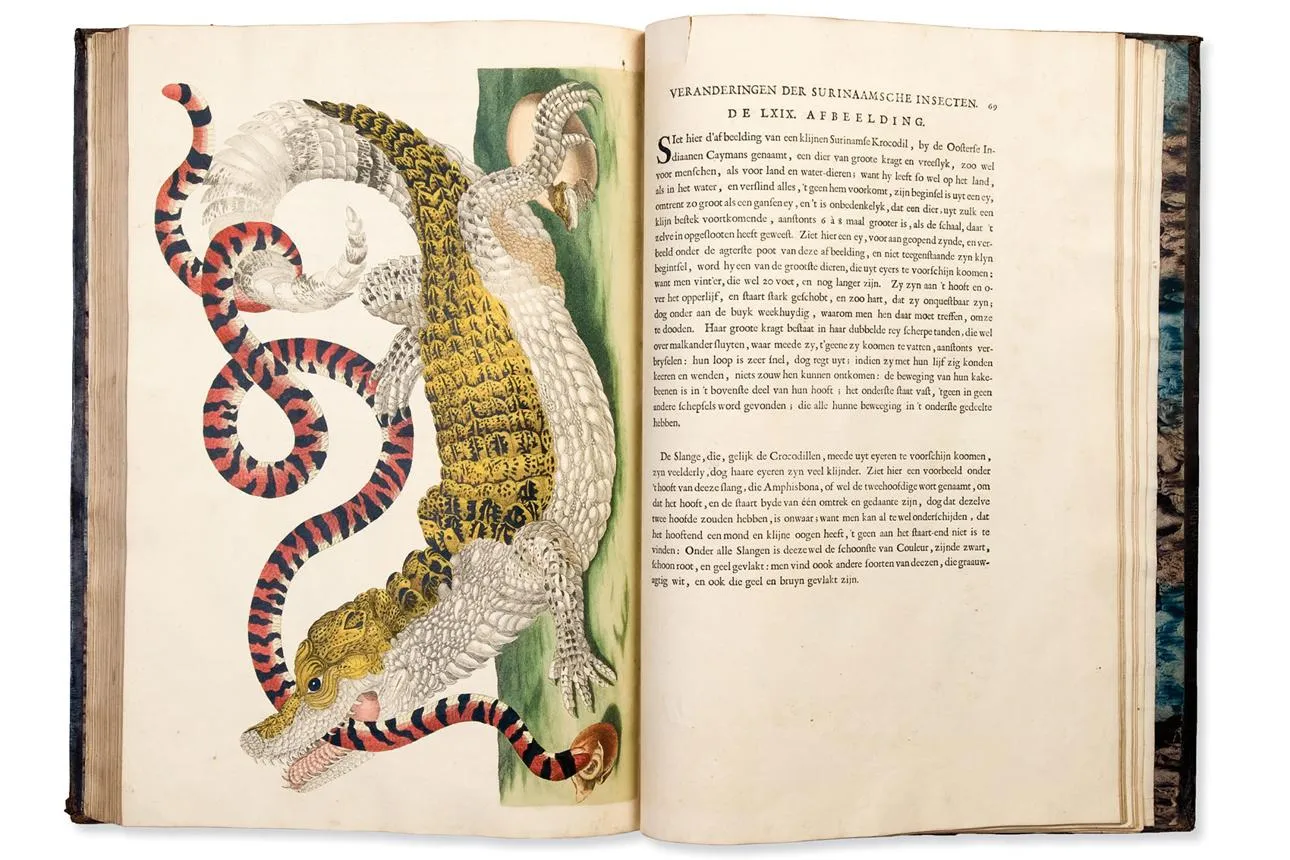
Built on sources, not guesswork
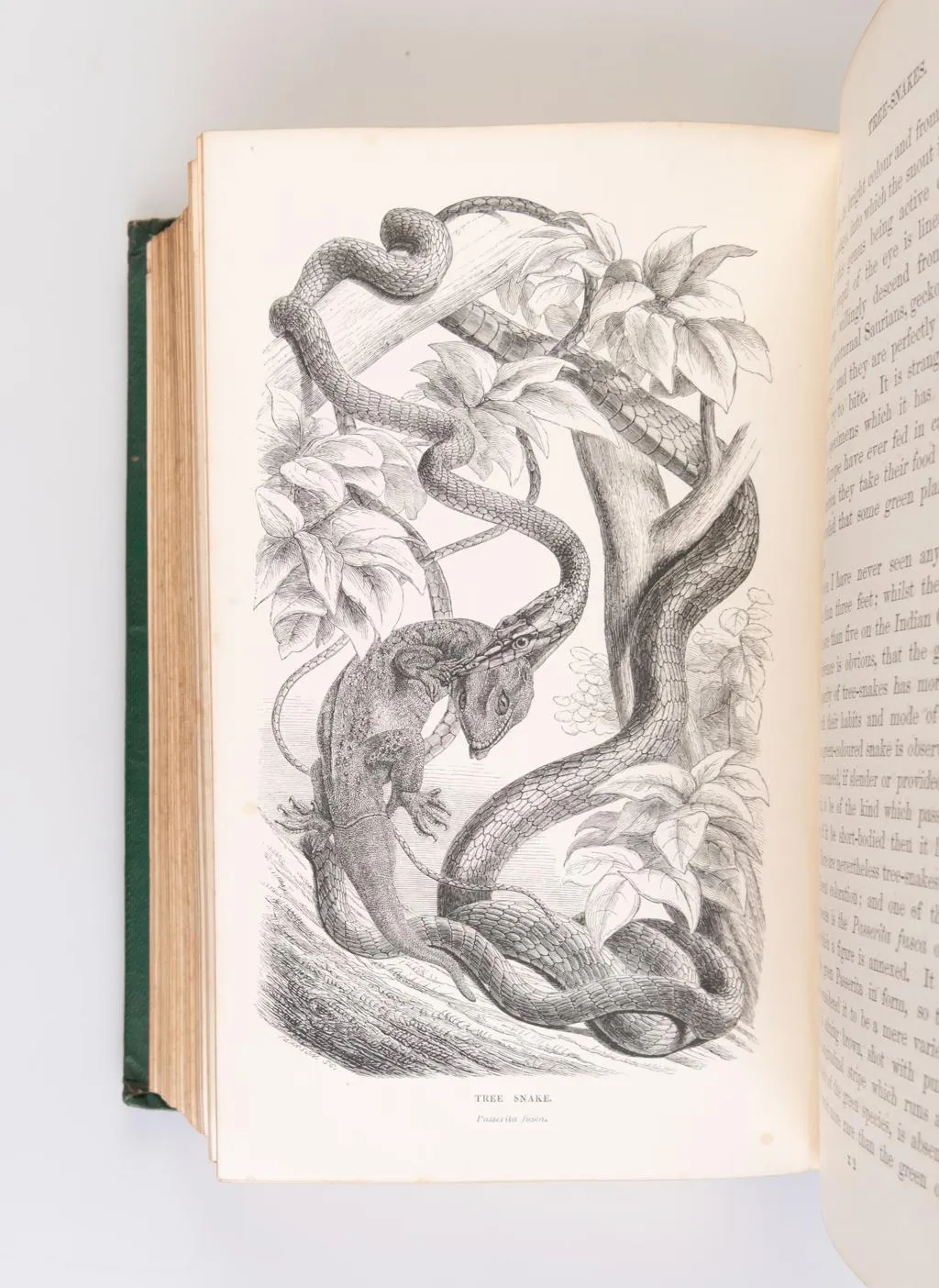
Naturalists have documented Sri Lanka's snakes for centuries. Every profile here cites the medical, scientific and local sources it relies on, and flags anything that is still provisional.
About & sources